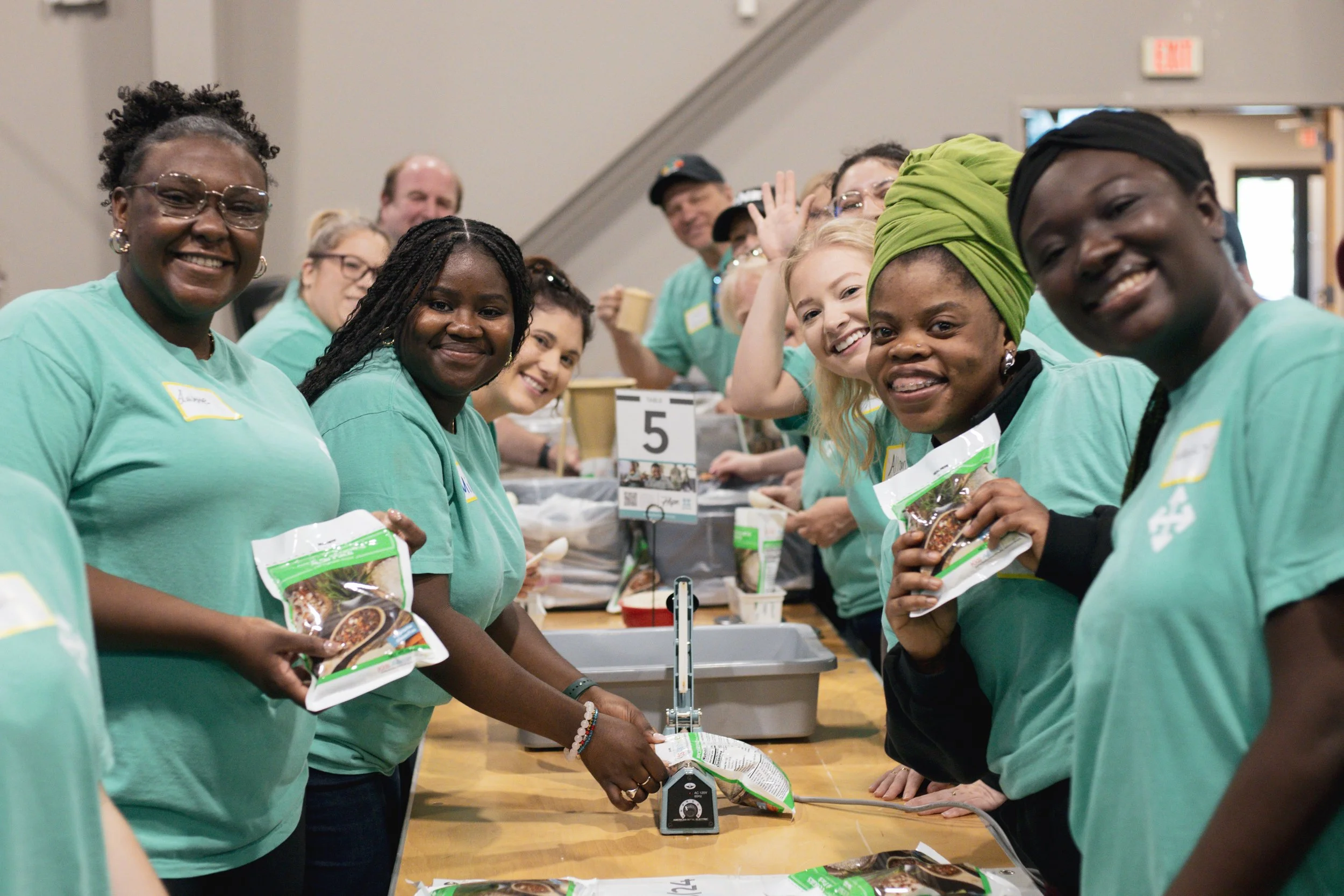
We believe that the Church is meant to be experienced not only locally but regionally.
Just as the apostle Paul wrote letters to the believers in a city, we believe the Church in Western New York shares a collective identity and calling. Unity does not eliminate diversity but celebrates it as churches of different traditions and expressions work together for the Gospel.
COLLABORATION
We believe the Gospel moves most powerfully when the Church moves together.
Collaboration is not just a strategy for greater impact—it is a reflection of who we are as the body of Christ. Across Western New York, churches carry different expressions, traditions, and strengths, yet we share a common mission. When we choose to work together, we begin to reflect the unity described in Scripture and demonstrate a visible witness to the world around us.
Collaboration for us means building meaningful relationships between pastors, leaders, and congregations. It looks like shared prayer, open-handed partnership, and a willingness to celebrate what God is doing beyond our own local context. Rather than operating in isolation, we seek to cultivate trust and alignment so that resources, insight, and opportunities can be stewarded collectively for the good of the region.
We also recognize that no single church can reach every neighborhood or meet every need. But together, we can. By embracing a posture of humility and mutual responsibility, we create space for the Church to move with greater unity and effectiveness. Collaboration allows us to multiply our efforts, strengthen one another, and participate more fully in God’s work across Western New York.
At its core, collaboration is an invitation to step beyond individual silos and into a shared calling. It is how we live out the reality that we are not many disconnected churches, but one Church with one mission, working together for the Gospel in our region.

TRANSFORMATION
Across Western New York, churches share a common hope: to see lives changed by the power of the gospel.
Every week, pastors preach, leaders teach, churches gather, and believers serve with the same prayer—that God would bring new life, draw people to Himself, and transform hearts and lives through Jesus.
This kind of transformation is not easy work. It requires patience, faithfulness, and a deep trust in the work of the Holy Spirit. Yet the calling of the Church has never been simply to gather people, but to see lives reshaped through discipleship. Following Jesus changes how we live, how we love our neighbors, and how we move through the world. Over time, the life of a disciple begins to look distinct from the patterns and priorities of the surrounding culture.
Because of this, discipleship must remain central to our shared mission. If we long to see the gospel take root across Western New York, we cannot separate the mission of reaching people from the work of forming them into mature followers of Jesus.
And the scope of that work is larger than any single congregation.
If our hope is that every man, woman, and child in our region would have the opportunity to encounter Jesus, then our vision must expand beyond the walls of our individual churches. The question becomes not only how we disciple those who attend our congregations, but how the Church together participates in the discipleship of an entire region.
When churches share a clear vision for disciple-making, it shapes culture. It creates common language, shared priorities, and a unified sense of purpose. And together, it helps the Church move toward a greater mission: seeing the transforming power of the gospel take root throughout Western New York.

MULTIPLICATION
Our hope is to see more disciples of Jesus formed throughout the region—men and women whose lives are shaped by the gospel and who, in turn, help others discover and follow Christ. As disciples grow and mature, the life of the Church naturally expands.
One of the most visible ways this happens is through the planting of new churches. As our region grows and changes, new expressions of local churches are needed so that communities across Western New York have a vibrant, gospel-proclaiming presence in their midst. Church planting allows the message and mission of Jesus to take root in neighborhoods and communities that may not currently have a healthy, active local church.
But multiplication is not only about starting something new. It is also about renewing what already exists.
Across our region there are churches with deep histories and meaningful legacies that, for a variety of reasons, may need fresh vision, leadership, and connection to the wider body of Christ. Church revitalization creates space for these congregations to rediscover their calling and reengage fully in the mission of bringing the gospel to their communities.
Multiplication also takes shape beyond traditional church structures. Throughout Western New York, followers of Jesus are launching ministries, initiatives, and new forms of faith-based community that serve their neighborhoods in creative and faithful ways. These efforts often emerge through entrepreneurial leadership and through the everyday vocations of believers who see their work as part of God’s mission.
In places like healthcare, education, business, housing, disaster relief, and social services, Christ’s people are living out the values of the Kingdom and creating new opportunities for the gospel to be seen and heard.
Together, these expressions—church planting, church revitalization, and faithful ministry in every sphere of society—are all part of how the Church multiplies and how the hope of Jesus spreads throughout Western New York.
MOBILIZATION
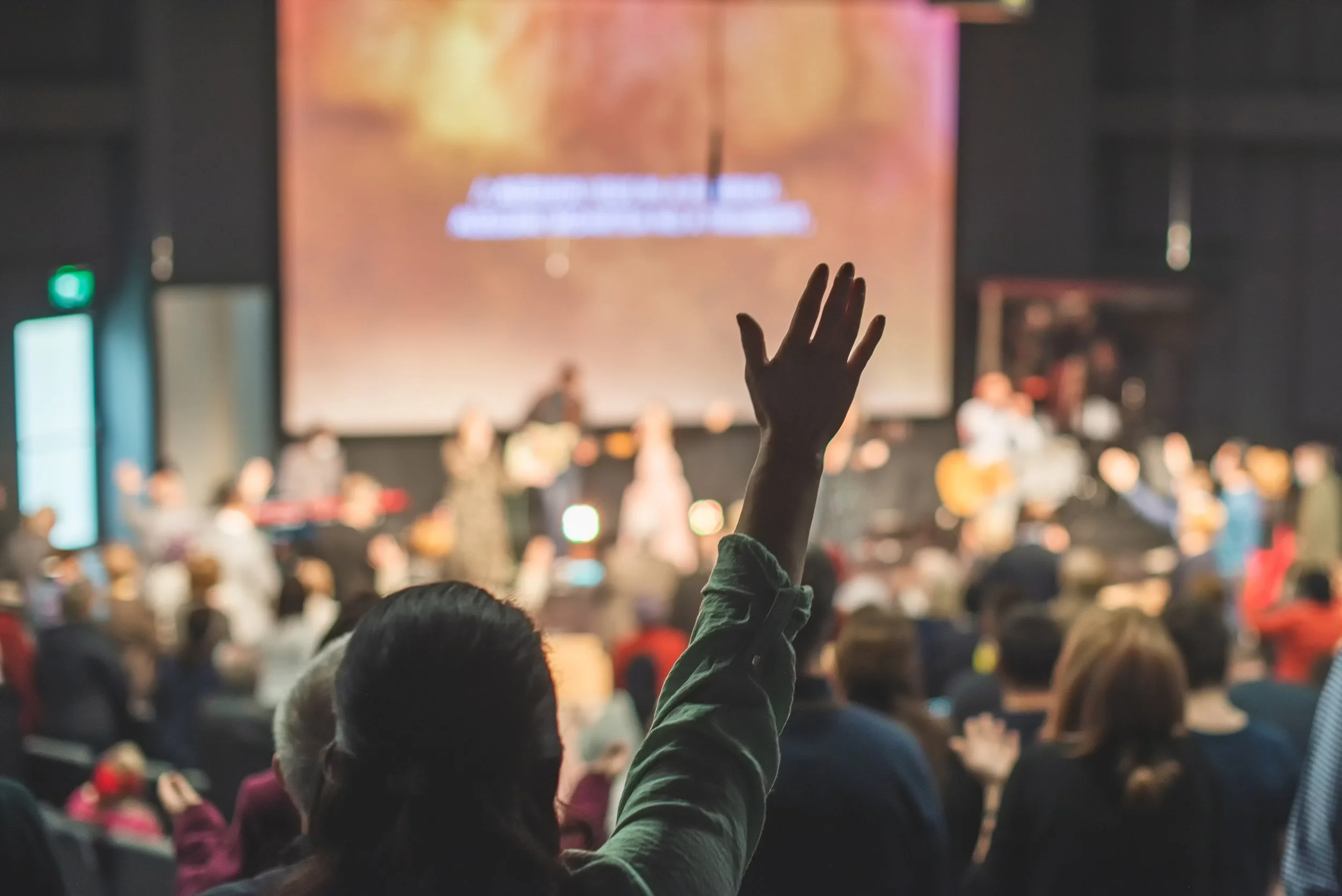
If the hope is to see every man, woman, and child in Western New York encounter the gospel, then the mission cannot belong to church leaders alone. It requires the whole Church—every believer—being mobilized into the mission of Jesus.
Throughout Scripture, the people of God are called not only to believe the gospel, but to embody it. As followers of Christ grow in their faith, their lives begin to reflect the character of Jesus in everyday ways. Spiritual maturity is not simply knowledge or belief; it is a life increasingly shaped by the gospel. When the lives of believers reflect the transforming work of Christ, their witness becomes both visible and credible in the world around them.
Mobilization begins here—with disciples who are growing in their faith and learning to see their daily lives as part of God’s mission.
Each believer lives within a unique circle of relationships: family members, neighbors, coworkers, classmates, and friends. These ordinary rhythms of life become the very places where the mission of Jesus unfolds. As disciples move through their days, they learn to recognize where God may already be at work—praying for people in their lives, serving their communities with humility, and sharing the hope of the gospel in natural and meaningful ways.
In this way, mission is not something that happens only within church walls or organized programs. It happens “in our going”—in the everyday places where God has already placed His people.
Across Western New York, collaborative efforts like the Project Lab provide additional opportunities for believers to be equipped and sent into mission together, strengthening the shared work of mobilization throughout the region.
Mobilization, then, is not a program or initiative. It is the life of the Church in motion. It happens when disciples take responsibility for their own spiritual growth, live faithfully within their circles of influence, and remain rooted in the support and community of the local church.